I’ve always thought it a bit sad how we value property in this country. Square footage, location and performance of the local schools are pretty much the be-all-and-end-all. It’s all agents care about when it comes to placing a market value on your home. But there is so much more to our homes and the way we live!
We’ve all seen those makeover TV shows. A young family buy a house believing it to be perfect and then realises it’s totally unsuitable. The family are too separate, the bedrooms are too small and the back of the house feels too dark. Yet they would have paid a premium price because it’s a 3-bed house in a nice area. Estate agents don’t care that the layout is all wrong. They ignore that bedrooms have been squeezed in with no storage. And mortgage lenders aren’t bothered it has a north-facing garden.
For a lot of people, home is the most important on Earth. So why do we allow such a basic and archaic system to determine the value? Isn’t it time we created a revolution and valued homes based on the living experience they offer the occupant?
Robert Jamison is an architect who features on ‘Your House Made Perfect’. He sees first-hand the injustice of the housing market. Often called in to help struggling families who have taken on huge mortgages for homes that just don’t work. He is leading the revolution and it was a recent post on Instagram that compelled me to also post.
And George Clarke has forever been campaigning about the appalling standards of our newly built homes. Many aren’t fit for purpose with their use of cheap and unsustainable building materials. They lack storage, light and space. And no doubt will be falling apart in 10 years, long before the owners have paid off their crippling mortgage.
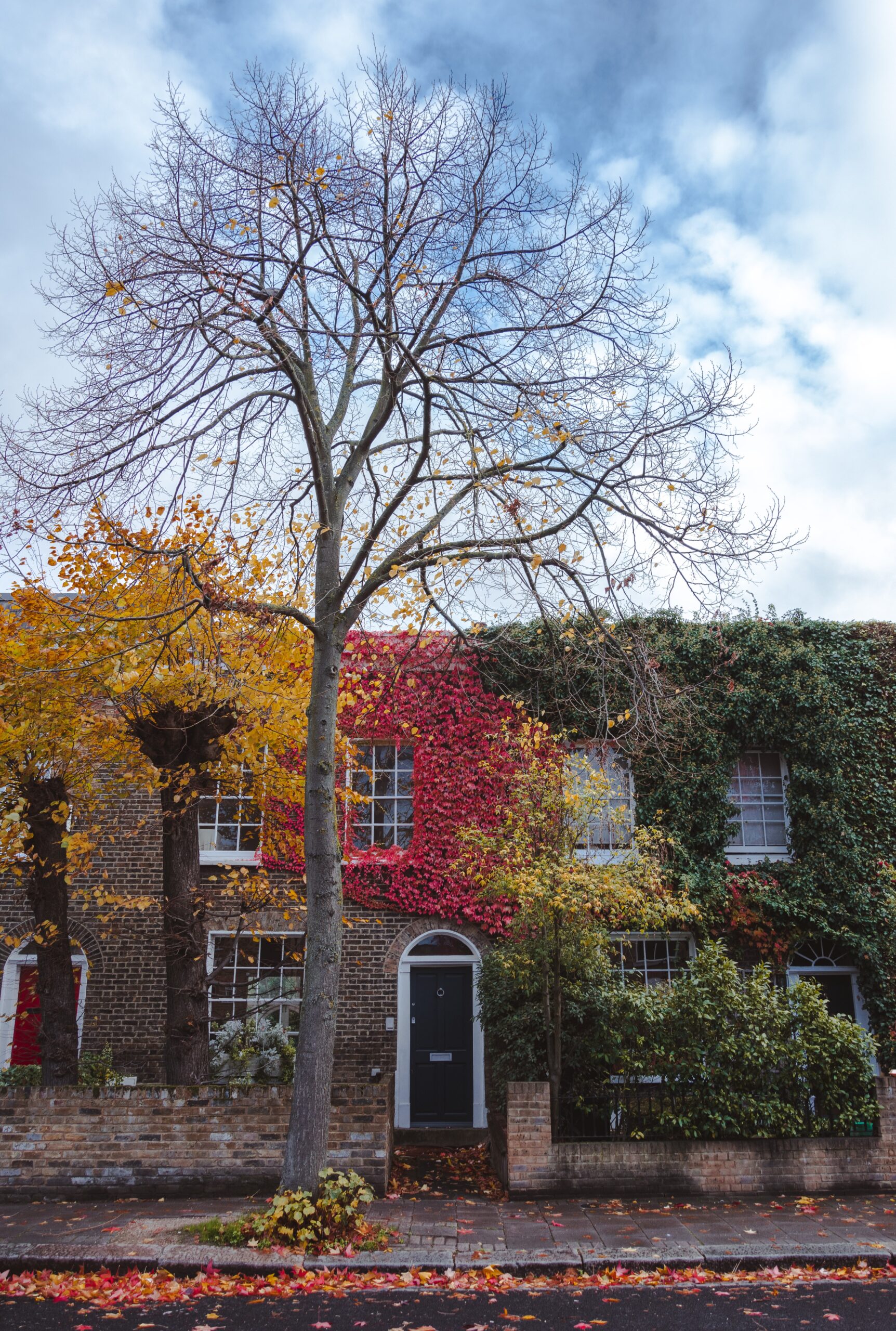
Photo by Theodor Vasile on Unsplash
So what should determine the true value of our homes?
1. LIGHT
In my mind light is the holy grail of house hunting. Natural light makes us happy. Sunshine streaming through our windows lifts our spirits and our mental well-being. It also makes our homes feel larger. In contrast, dark homes make the stress of day-to-day life just that little bit harder. So why should all the people on the north-facing side of the street pay the same price for a property as people on the south-facing side of the street? The experience of living in identical homes on opposite sides of this street will be completely different. Yet because they are the same postcode with the same square footage they hold the same value?
2. LAYOUT
It’s not about how big it is but how well you can use the space. Yet all estate agents and mortgage lenders seem to care about is square footage. But it doesn’t matter how many square feet you’re buying, if it doesn’t have the flow you are after or doesn’t have the amount of storage you need it’s not going to be a happy place to live. Do you ever walk around those tiny home sets in Ikea and think, this is lovely, I could live here! That’s because they are so well thought out.
And don’t even get me started on the number of bedrooms. If a house has some tiny extra bedrooms squeezed into its original footprint at the cost of the space of other rooms, with no storage and crappy windows with barely any natural light, why should someone have to pay more for that?! It’s the same overall square footage as the house next door except it’s much harder to use. It’s just a complete con.
3. PROPORTION AND SCALE
For a house to function well then all the rooms within it should all be of a good enough size for their purpose, and they should all be in proportion with each other. Yet all the time we see houses with masses of living space downstairs but teeny bedrooms upstairs. Because extra beds have been squeezed in to bump up the value. Or a four-bed house that has one tiny downstairs bathroom. WTF? If you are a family of four or five one family bathroom is not adequate for family life! Why are we so obsessed with the number of bedrooms??
Ditch the fourth bedroom and have a lovely proper family bathroom upstairs with a utility room downstairs. That house would be much more justified in being valued higher (in my opinion) because it would actually function as a happy, family home with space to breathe.
And what about ceiling height and window size? In the UK we love a low ceiling and small windows, it helps developers get more for their money and makes it easier to get extensions and new builds through planning permission. But what about the poor people that have to live in these homes? Windows are there to let in the light that makes us happy, or to provide a view that helps clear our thoughts. High ceilings are proven to promote creativity. If these were factored into the value of our homes, as they should be, then developers could be more generous with these proportions. Such a shame.
4. FABRIC OF THE BUILDING
And what about the materials the building is made from, surely this should impact on its value? But nope, that does not matter either. Whether it’s an Edwardian beauty made from 100-year-old old bricks or if it’s a new build with paper-thin walls where you can hear your neighbours pee. It will be worth the same if they’re on the same street and matched in square footage.
5. LANDSCAPE
Gardens are another area of craziness. Apparently a rectangular patch of newly laid lawn with a newly erected fence around it is worth the same as the garden next door with the old Victorian wall and mature apple trees because they’re the same size!
Of course, lots of the aspects I have talked about here do impact on the saleability of a property. There’s no doubt a property is likely to sell quicker if it is south-facing with a family-friendly layout with well-proportioned rooms and a mature garden. And if a house is more saleable it is likely in turn to raise its value (in a good market). But my issue is with the ‘on paper’ value that is applied to properties by the agents and mortgage lenders. The formula of postcode x square footage gives no regard to the qualities of a home that actually impact the well-being and mental health of the people who live in it.
We need to develop a more sophisticated system that allows small but wonderful homes to hold a higher value than large, dysfunctional homes that lure families in but actually don’t facilitate a good quality of life.
Hands up if you agree. Or do you think I’m being ridiculous?
I am a true believer that homes don’t have to be large to be perfect. All too often I see huge extensions that eat up gardens and make the middle of the house dark. When all we really need is to better organise the space we have. If you love your home but would like some help to make it work better for you then give me a call. Good interior design like simple storage solutions and the right layout can make a huge difference to the space you live in and the way you feel.
Sarah x