
How to decorate your home sustainably.
I’m not brave enough or articulate enough to be an environmental activist. But I am actively making changes to my mindset and my lifestyle on a daily basis. I’m constantly taking (embarrassingly) small steps to try and do less harm. I’m ridding my life of single-use plastic, I make eco-bricks out of my plastic waste, I’ve given up red meat, have two ‘car-free’ days a week and donate monthly to ‘World Land Trust’ who plant trees with our donation.
Of course, I don’t congratulate myself for these changes, they weren’t that hard. But I don’t berate myself either (for all the disposable nappies I’ve used in the last two years).
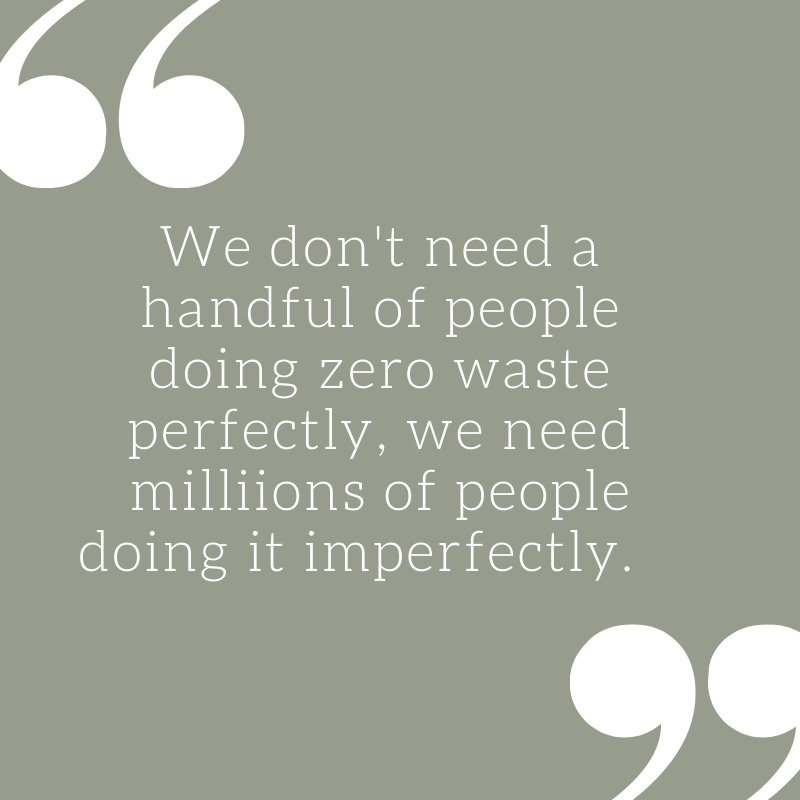
The thing is “We don’t need a handful of people doing zero waste perfectly, we need millions of people doing it imperfectly” Anne-Marie Bonneau.
So I’m definitely one of those people doing it imperfectly. But I am doing it.
One of the things I have struggled with more recently is how my job can encourage waste. It can very much be ‘out with the (sometimes perfectly acceptable) old, and in with the new. To me, the most important place on Earth is my home. But when Earth itself is under threat it can be hard to justify making your own little piece of it more beautiful.
But then I think of the good it does. Making your home beautiful and practical for modern-day life is hugely beneficial for your soul and mental well-being. Our homes are our sanctuary, where we take shelter from the stress and anxiety we battle in day-to-day life. So I say. Do it. Make your home more practical and make it more beautiful. Just do it as consciously and thoughtfully as you can.
So here are my top tips on how to decorate your home sustainably.
1. REUSE WHAT YOU CAN
Sorry for stating the bleeding obvious here but re-use what you can or at least think about it! Can it be reused somewhere else in the home? It may not be right for what you have planned in your new living room but could it be useful in the spare bedroom? Or can it be modified to meet your needs? It’s amazing how pieces of furniture can be transformed. And I’m not talking about slapping on some hideous chalk paint and stencilling some lame pattern on your tabletop, this isn’t 2007. I’m talking about finding a capable Chippie to add some new doors to an old wardrobe or some rattan panels to an ugly chest of drawers, whack on some new handles and ta-da! Ugly furniture transformed!
2. DITCH GOOGLE
When planning your new room you are probably going to head straight to Google to start shopping or looking for some inspiration. But swap Google for Ecosia and you can start doing some good before your project has even begun. They are the eco-friendly alternative to Google and spend 80% of their profits on tree planting schemes across the globe. They’ve already planted 83 million trees and are the default search engine for many schools, businesses and organisations. Like with anything new it looks a bit different, but only in the same way your iPhone looks a bit different after a software update, then 2 days later you can’t remember how it used to look. So you’ll soon get used to it.
And yes reforestation isn’t stopping the devastating effects of deforestation. But better to plant trees than pay for the bigwigs of Google to holiday in the Maldives.

3. CHOOSE SUSTAINABLE SHOPS
There is now an abundance of retailers who supply handmade and ethically sourced homewares. Stores that source beautiful items from artisans using traditional skills and natural materials. Like Crafty Souk for example. The quality and timeless design of their products is stunning and they also have many vintage items that bring a bit of history to your home. You are going to pay more for these types of products but isn’t it good for your soul to know your new rug was hand-knotted by a tribal nomad in the Zagros mountains rather than spun from nylon in a factory in China?

4. SCOUR EBAY AND GUMTREE
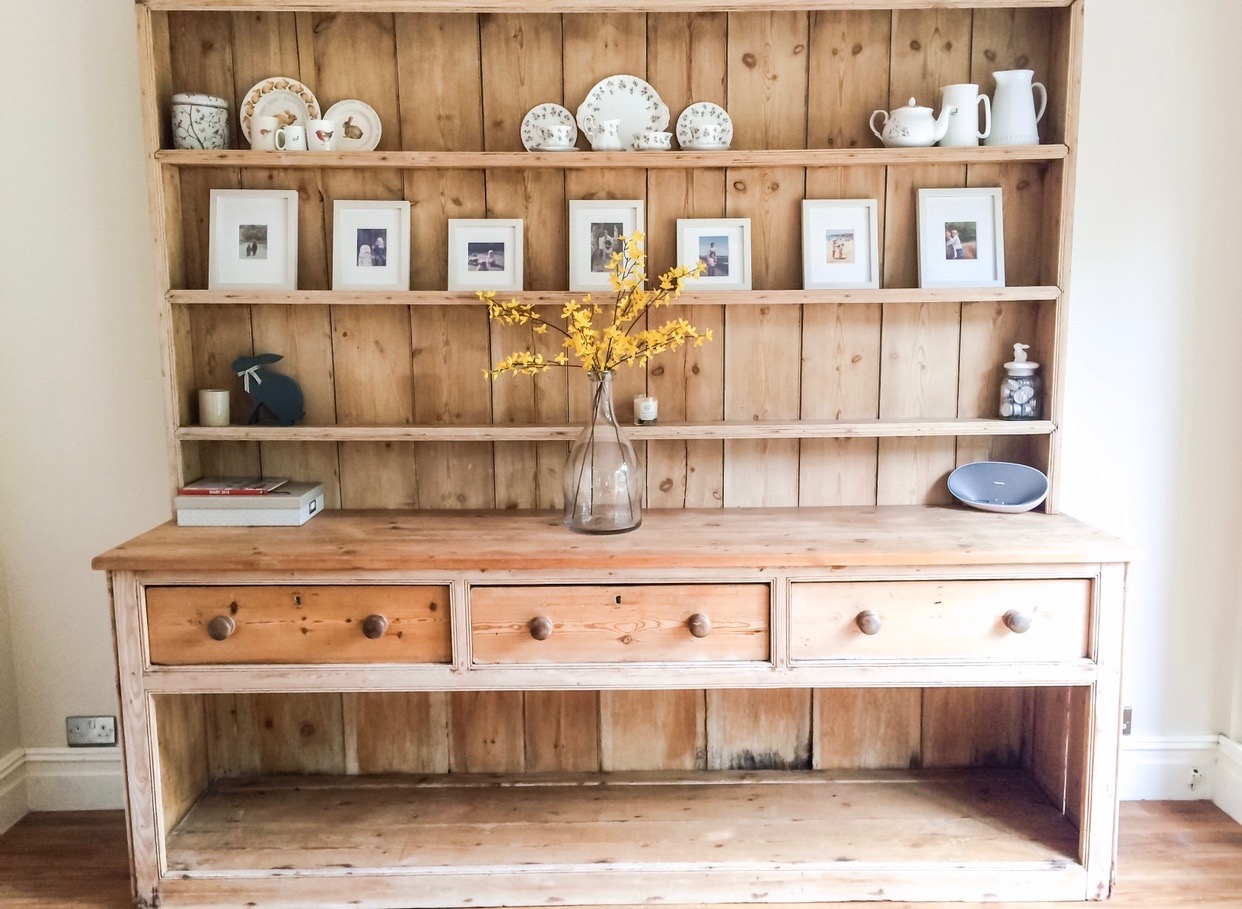
eBay and gumtree isn’t just full of microwaves, bicycles and car parts. If you are lucky, patient, persistent and willing to faff about organising couriers, you can buy some amazing stuff. Okay, that’s quite a list of prerequisites but it’s worth putting in the time and effort that will ultimately save you money and reuse an old item. I just sold my antique pine dresser on Facebook. So this really fancy lady who makes jewellery in Notting Hill now has it in her shop, isn’t that great? This dresser is over 100 years old and we are still passing it on from owner to owner. Now that is sustainable. So before you eye-roll at the suggestion of using it just give it a go because you never know what you may find.
5. USE ECO FRIENDLY PAINT
This is harder than it sounds. There is a lot to consider to understand if a paint company is truly eco-friendly. It’s not just what’s in the paint, it’s how it’s manufactured and what gases it releases as it dries. Confusing terms like ‘water-based’ could lead you to believe a paint is eco-friendly but they can still contain nasties and be manufactured elsewhere and shipped halfway across the world. So to save a load of dull VOC talk I’ll just recommend my top three
Farrow and Ball – Apart from just being gorgeous paints, they recycle 97% of their water and manufacture from their plant in Dorset. They also consolidate their deliveries to reduce mileage per tin so you can paint with a clean conscience.
Earthborn – They are made from 35% clay and have a wonderful texture. They are very breathable and great for allergy sufferers and perfect if you’re painting a nursery.
Little Greene is very vocal about being cruelty-free and using no animal-derived products in any of their manufacturing processes.

6. CHOOSE A STYLE TO LAST
When redecorating it’s easy to be hypnotised by the hours you’ve spent on Pinterest. You’ll suddenly find yourself wanting a mint velvet armchair with an oversized cheese plant and a kooky gallery wall. But if you really want to be sustainable and environmentally friendly then choose a design to last. Go for timeless classics that are true to your taste and try not to be influenced by what’s trending on instagram.

7. DISPOSE OF ITEMS RESPONSIBLY
It’s inevitable that you will be getting rid of some furniture and homewares as part of your new project but try to give your item a new life somewhere else (other than landfill).
If you are replacing big ticket items like sofas and beds many retailers offer great recycling for a small fee. John Lewis take away your old mattress for £30 and dispose of it responsibly and for £50 Loaf will dismantle your old bed and take it to a charity. Perfect!
Or you could just sell your item on facebook, ebay or gumtree.

8. IF YOU CAN MAKE A DONATION
Renovating and redecorating nearly always costs more than you think and isn’t probably the time you’d normally think about donating to an eco-charity. But maybe you made £15 selling an old chest of drawers or maybe you saved £30 on free delivery, why not spend that on your other home…
Interior design has been a life long passion for me and I have always placed a lot of value on making my home the best it can be. But it’s only really in the last 2 years that I’ve realised I have two homes. My house and planet Earth. So now it’s time to invest in them them both, equally.
If you live in Hampshire and would like some advice on sustainable interior design why not get in touch, I’d love to hear from you.


